
Professional Hair Extensions: Methods, Application and Care (2026)
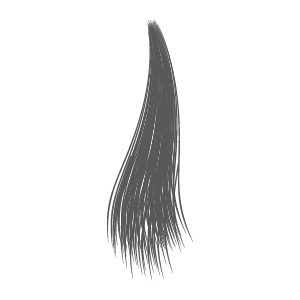
Professional hair extensions come in four main methods: keratin (hot fusion) for a very discreet, long-lasting result, micro-rings (cold fusion) with no heat or glue, tape-in extensions for a quick, flat application, and clip-ins for temporary use. The choice depends on the client’s hair type, budget and application time. This guide details each method and the care to recommend.
What are the main application methods?
- Keratin / hot fusion: strands fused with keratin using a heating tool. Very discreet result, long hold, but a more technical application.
- Micro-rings / cold fusion: strands secured with a crimped ring, with no heat or glue. Reusable, adjustable, suited to sensitised hair.
- Tape-in extensions: adhesive tapes applied on either side of the natural strand. Quick application, flat, comfortable result.
- Clip-ins (temporary): applied and removed by the client herself, ideal for a special occasion.
Natural or synthetic hair: which to choose?
Natural hair (particularly Remy quality, with aligned cuticles) can be styled, straightened and curled just like the client’s own hair: it’s the salon standard. Synthetic fibres cost less but don’t tolerate heat well and age faster. For a professional, billable service, natural hair remains the consistent choice.
How to choose length, colour and volume?
Three factors determine how natural the result looks: length (a gradual transition with the existing cut), colour (a colour chart checked on dry hair in daylight, strands blended to avoid a block effect) and volume (number of strands based on natural density and the goal, length or thickening).
Which method for which client?
| Method | Benefit | Ideal for |
|---|---|---|
| Keratin (hot fusion) | Discretion, hold | Long-lasting result |
| Micro-rings (cold fusion) | No heat, reusable | Sensitised hair |
| Tape-in extensions | Quick application, flat effect | Thickening, time-saving |
| Clip-ins | Temporary, no commitment | One-off event |
Care: what to explain to the client
Hold depends as much on care as on application. Rules to pass on: detangle daily with a suitable brush while holding the root, wash with gentle products free of harsh sulphates, avoid product on the attachment points, protect from heat, dry and tie hair loosely before bed, and keep to check-up appointments. See also our salon care protocols and our guide to combs and brushes.
How long do extensions last?
Longevity varies with the method, hair growth rate and care: semi-permanent applications generally need moving up or reapplying after several weeks to a few months, once the attachment points have grown out too far. Regular salon check-ups are essential to protect the natural hair.
Equipment and training required
Depending on the method, you’ll need a keratin fusion tool or ring pliers, sectioning clips, a tail comb, and above all training: a poorly executed or overly tight application can damage natural hair. This is a high-value service that demands real technique.
FAQ – Professional hair extensions
Do extensions damage hair?
Correctly applied, matched to hair density and well maintained, they shouldn’t damage the hair. Problems mainly come from an overly tight application, excessive volume or unsuitable care.
Which method for fine or fragile hair?
Cold methods (micro-rings) or tape-ins, which are lighter and heat-free, are often preferred; the volume applied should stay in proportion to natural density.
Can extensions be coloured?
On natural hair, a careful tone touch-up is possible, but it’s better to choose the right shade from the start: extensions don’t react like living hair.
Do you offer extensions in your salon? Discover our range of extensions or contact Beauty Hair Products.