
Professional Hair Straightener: How to Choose the Right One in 2026
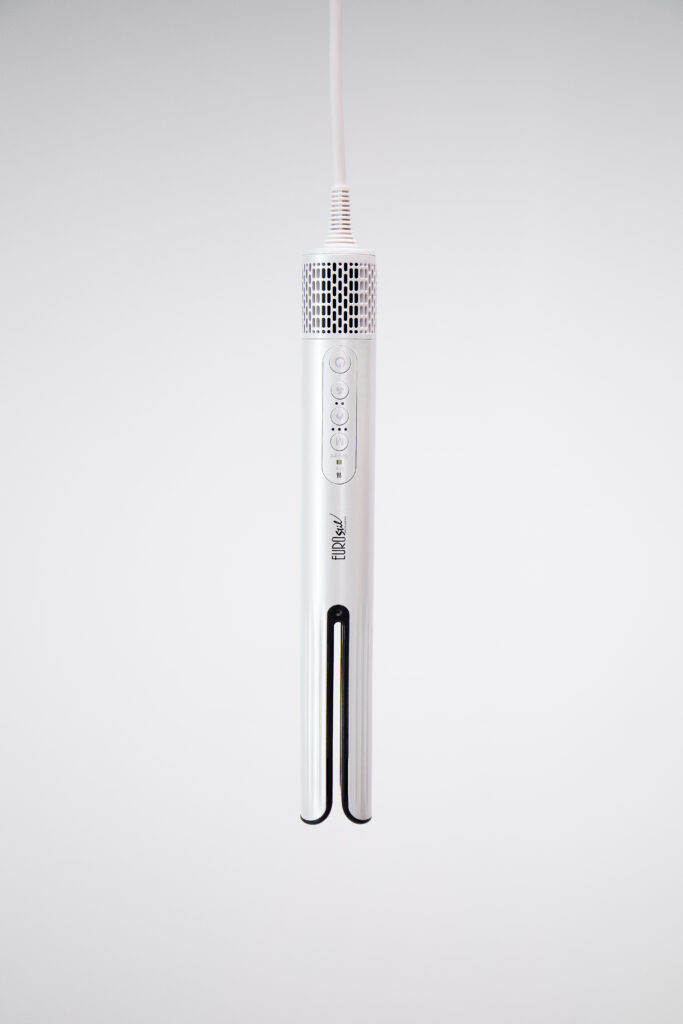
Choosing a professional hair straightener in 2026 is no longer just about comparing plate width or the price listed by a pro supplier. Between ceramic, titanium or tourmaline plates, steam models and the new smart temperature controls, the difference in glide, straightening hold and hair-fibre care becomes clear from the very first passes. This guide sums up the technical criteria that really matter for a hairdresser or a Swiss Romandy salon: plate type, heat-up time, width, ergonomics and cost of use. By the end, you’ll know exactly which professional hair straightener to order for your station and your clientele.
Why the right straightener changes your station
A professional hair straightener works between 20 and 40 hours a week in a busy salon. At that pace, every technical detail becomes a concrete gain — or loss. Poor-quality plates snag and pull on the hair, imprecise thermal regulation creates hot spots that damage the fibre, and a poorly balanced unit tires the wrist by the end of the day. Investing in the right professional hair straightener means protecting your clients’ hair, improving results, and extending the life of your equipment.
Criterion #1: plate type and glide
The plates determine straightening quality and how well the hair fibre is preserved. Three families dominate the pro market:
- Ceramic plates: even, gentle heat and excellent value for money, ideal for fine to normal hair.
- Titanium plates: ultra-fast heat-up and perfect glide, ideal for thick, curly or coily hair.
- Tourmaline plates: negative ion output that reduces frizz and adds shine, often as a complementary coating.
- Steam plates: micro-steam protects the hair’s moisture and allows long-lasting straightening at a lower temperature.
For a glossy result without damaging the fibre, look for floating plates (spring-mounted) that distribute pressure evenly. Avoid wide plates for work near the roots or on short hair: a 24-28 mm model stays more manageable.
Criterion #2: temperature and regulation — the decision table
The maximum temperature announced by brands doesn’t tell the whole story: what matters is thermal stability and how quickly the plates recover between two strands. Here is a comparison table of four flagship references sold by bhproducts.ch:
| Model | Plate type | Temperature | Recommended use | Plate width |
|---|---|---|---|---|
| Gamma Più Extra Pro XL | Ceramic XL | up to 230°C | Length straightening, busy stations | Wide |
| Gamma Più Keratin | Keratin ceramic | adjustable | Sensitised hair, care | Standard |
| BabylissPro Stilista | Tourmaline ceramic | up to 235°C | Versatile, intensive use | Standard |
| Gamma Più Vapeur Styler | Steam | adjustable | Long-lasting straightening, hydration | Standard |
Favour a straightener with a digital display and several settings: 160-180°C for fine or coloured hair, 190-210°C for normal hair, 210-230°C for thick or resistant hair. A precise thermostat avoids hot spots and preserves the fibre over time.
Criterion #3: ergonomics, weight and balance
The best coating is useless if the professional straightener tires your hand after three blow-dries. Always weigh the fully assembled straightener, and favour a light, well-balanced model for long days. Check the flexibility of the hinge, how wide the plates open, and the quality of the grip: a handle that slips when spray or serum is present ruins precision. Also check the length and swivel of the cord — a swivel cord prevents twisting during service. Finally, a casing that stays cool to the touch protects your fingers during close-up handling.
Our selection at bhproducts.ch
We’ve selected four professional straighteners covering every salon profile, from premium salons to specialised straightening studios.
The Gamma Più Extra Pro XL straightener remains the reference for length straightening: XL ceramic plates cover more surface with each pass, ideal for busy stations.
For sensitised or coloured hair, the Gamma Più Keratin straightener combines keratin-treated plates with gentle heat — a real asset for preserving the fibre.
For versatility, the BabylissPro Stilista straightener stands out with its tourmaline ceramic plates and fast heat-up, perfect for back-to-back appointments.
Finally, the Gamma Più Vapeur Styler straightener relies on micro-steam for long-lasting, moisture-friendly straightening. See the full range on our Straighteners category page.
Frequently asked questions
What’s the best professional hair straightener in 2026?
There’s no universal “best”. For lengths, the Gamma Più Extra Pro XL leads the pack. For damaged hair, the Gamma Più Keratin is an excellent choice.
Ceramic or titanium: which to choose?
Ceramic offers gentle heat ideal for fine to normal hair. Titanium heats up faster and glides better on thick, curly or resistant hair.
How much does a quality pro straightener cost?
Expect to pay between 80 and 300 CHF for a durable model. Below that, thermal regulation and coating quality drop quickly under intensive use.
What temperature should you straighten at without damage?
160-180°C for fine or coloured hair, 190-210°C for normal hair, 210-230°C for thick hair. Always on dry hair and with a heat protectant.
How do you maintain a straightener?
Clean the plates cold after each service with a soft cloth, avoid abrasive products, and store the unit once cooled to protect the coating.
Conclusion
Choosing your professional hair straightener in 2026 comes down to weighing three factors: plate type and glide, precision of thermal regulation, and handling comfort. The four models featured cover the main needs of a Romandy salon, from length straightening to caring for damaged hair. Test them in hand, factor in your clientele and weekly volume, and calculate the total cost (unit + lifespan) rather than just the purchase price. To check Swiss stock availability and compare models live, visit our Straighteners category or contact your pro advisor.