
Professional Hairdressing Scissors: How to Choose in 2026
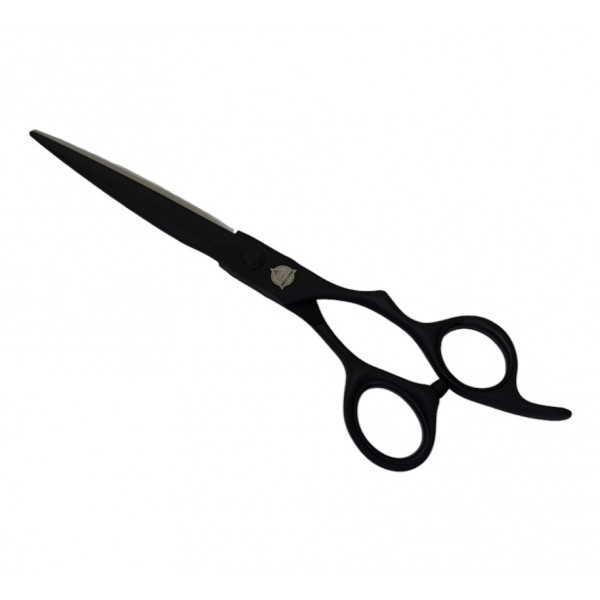
Choosing professional hairdressing scissors in 2026 is no longer just about comparing blade length or the price tag at a trade supplier. Between high-end Japanese scissors, sturdy German models, and the new cobalt steel blades, the gap in precision, comfort, and durability is noticeable from the very first cuts. This guide summarises the technical criteria that really matter for a hairdresser or a salon in French-speaking Switzerland: steel type, blade geometry, ergonomics, maintenance, and cost of use. By the end, you’ll know exactly which professional hairdressing scissors to order based on your cutting style and salon volume. To complete your equipment, also check out our 2026 professional blow-dry brush guide.
Why choosing the right professional hairdressing scissors changes everything in the chair
A poorly chosen pair of professional hairdressing scissors costs you twice: first in cutting quality, then in wrist health. Scissors that are too heavy, poorly balanced, or have a seized screw cause cumulative fatigue that, over ten cuts a day, leads to tendinitis and sick leave. Conversely, well-chosen professional hairdressing scissors follow the movement: the blade glides without catching, hair is cut cleanly rather than crushed, and the final result lasts longer between visits. It’s also a lasting investment: a well-maintained high-end Japanese pair can easily last ten years of daily use. Reference brands such as Jaguar Solingen or Matsui Scissors publish detailed technical spec sheets: a great starting point for comparing steels and cutting angles.
Criterion No. 1: the steel type of professional hairdressing scissors
Steel is the first parameter that separates a professional tool from a mass-market pair. For durable professional hairdressing scissors, three steel families dominate the 2026 market:
- Japanese Hitachi ATS-314 and VG-10 steel: the reference for precision cutting, exceptional sharpness, ideal for slide cutting and texturised cuts.
- German 440C steel: sturdy, versatile, perfect for straight cuts and structured bobs. Holds its edge longer than entry-level steels.
- Enriched cobalt steel: new in 2026, edge life increased by 30 to 40% compared to 440C. Recommended for high-volume salons.
Avoid professional hairdressing scissors made from low-end 420 stainless steel: they dull within a few weeks and quickly crush the hair.
Criterion No. 2: blade geometry
The blade shape dictates what movements are possible. For a complete overview of the professional hairdressing scissors available in 2026, remember three geometries:
| Blade type | Main use | Skill level required |
|---|---|---|
| Convex blade (Japanese) | Slide cutting, texturised cuts, point cutting | Advanced to expert |
| Bevelled blade (German) | Straight cuts, bobs, fringes | Beginner to advanced |
| Texturising shears (fine teeth) | Layering, thinning | All levels |
| Texturising shears (wide teeth) | Texture, movement, shag | Advanced |
The golden rule of professional hairdressing scissors: a versatile hairdresser works with at least two pairs (cutting + texturising). A specialist in modern women’s cuts will often have three or four.
Criterion No. 3: ergonomics and balance
Modern professional hairdressing scissors come in four handle shapes: straight (classic), offset (staggered rings), crane (heavily staggered), and neutral grip. Offset remains the reference in 2026, as it naturally aligns the wrist and reduces pressure on the thumb. Also check the weight: between 45 and 65 grams for a well-balanced 6-inch pair. A mobile, removable finger rest is a real plus for adapting the grip to your hand. Finally, the tension screw should be hand-adjustable (no screwdriver needed): this is standard on all high-end professional hairdressing scissors.
Criterion No. 4: blade length
The choice of length depends on your main cutting style. Here’s the reference chart for professional hairdressing scissors:
- 5 inches: precision cuts, point cutting, finishing, and dedicated scissor work on short hair.
- 5.5 inches: a versatile compromise, ideal for women’s cuts in a classic salon.
- 6 inches: the 2026 reference for long cuts, shag, modern layering, and comb work over length.
- 6.5 to 7 inches: barbershop use, fast men’s cuts, slide cutting on very long hair.
Criterion No. 5: maintenance and real cost of use
Well-maintained professional hairdressing scissors last ten years or more. Three essential habits to build into your chair routine: dry cleaning after every client (microfibre cloth), weekly oiling of the screw with a dedicated scissor oil, and professional sharpening once or twice a year depending on volume. Expect to pay 40 to 80 CHF per professional sharpening in French-speaking Switzerland. Beware of low-end automatic sharpeners, which destroy convex geometry: only a brand-approved sharpener will properly preserve Japanese professional hairdressing scissors. Over their lifespan, an initial investment of 400 to 800 CHF works out to less than 10 CHF a month, largely paid off by the second client.
Our 2026 selection of professional hairdressing scissors
To equip a salon in French-speaking Switzerland in 2026, here are the pairs we recommend to our professional clients:
- Entry-level pro (200-350 CHF): Jaguar Solingen Black Line or Tondeo Mythos, perfect for starting a professional career or equipping an assistant.
- Mid-range (400-650 CHF): Matsui Aichei Mountain or Joewell Supreme, the best precision-to-durability ratio for modern women’s cutting.
- High-end (700-1200 CHF): Mizutani Black Smith, Hikari Filipino, or Yasaka YS, for expert hairdressers who make cutting their signature.
- Essential texturising shears: Jaguar Heron (28 teeth) for soft layering, Matsui Phoenix (40 teeth) for precise thinning.
Our catalogue brings together the leading professional brands distributed in Switzerland: Jaguar, Tondeo, Matsui, Joewell. For a scissors + texturising shears pack at B2B terms, contact your advisor. Also see our 2026 women’s hair trends guide and our hairdressing equipment category.

Frequently asked questions about professional hairdressing scissors
Which professional hairdressing scissors should I choose to start out in a salon?
An offset pair, 5.5 or 6 inches, in German 440C steel between 250 and 400 CHF, plus a 28-tooth texturising shear. This duo covers 90% of services.
Is it really worth investing in a Japanese pair?
For an experienced hairdresser who practises slide cutting and texturised cuts, yes: the difference in glide and precision is immediately noticeable. For mostly straight cuts, German steel remains highly relevant.
How often should professional hairdressing scissors be sharpened?
Once a year for moderate use (3-4 cuts/day), twice a year for high volume (8-12 cuts/day). Never wait until the blade starts crushing hair.
How many pairs of professional hairdressing scissors do you need in the chair?
At least two (cutting + texturising), ideally three (adding a short 5-inch pair for finishing). Senior stylists often work with 4 to 6 specialised pairs.
What total budget should I plan for a complete professional scissors kit?
Budget between 600 and 1500 CHF for a balanced pro kit (1 mid-range cutting pair + 1 texturising shear + 1 short pair). The investment pays for itself within a few months.
Conclusion
Professional hairdressing scissors remain the most strategic tool in the chair: they shape the result, sign off on the movement, and determine wrist health over the long term. In 2026, the right choice is built around steel type, blade geometry, ergonomics, and length suited to your style. Favour recognised professional brands, plan for two to three complementary pairs, and invest in regular sharpening. To equip or renew your chair, explore our Hairdressing equipment category or contact your pro advisor for a pack quote tailored to your salon.