
Professional Hot Air Brush: Which One to Choose in 2026?
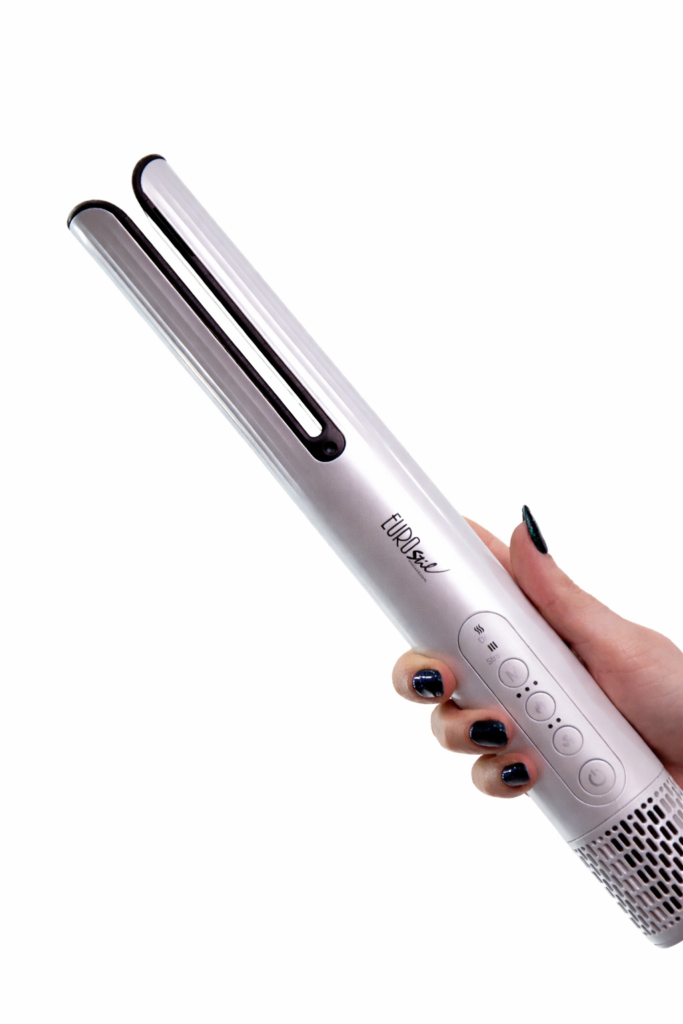
Choosing a professional hot air brush in 2026 means understanding technical parameters that product sheets rarely mention: real motor power, ceramic type, bristle profile, and ionic drying quality. Between entry-level consumer models and genuine pro tools built for French-speaking Swiss salons, the gap in durability and results becomes clear within the first weeks of use. This guide lays out the criteria that really matter for salon use in Switzerland, from volumizing blow-dries to glossy smoothing, and offers a selection of professional hot air brushes tailored to every stylist’s needs. To round out your equipment, also check our 2026 barber clipper guide.
Why the professional hot air brush changes the game in the salon
A professional hot air brush replaces two tools — hair dryer and round brush — with a single controlled motion. For a stylist doing 10 to 15 blow-dries a day, the time saved easily reaches 8 to 12 minutes per client, or nearly an hour of reclaimed productivity every day. Technically, the hot air brush heats the hair at a controlled temperature while stretching it, which reduces mechanical breakage and improves cuticle alignment. The result: superior shine and a style that lasts longer than a traditional blow-dry. Choosing a professional hot air brush therefore isn’t about looks, but about four precise parameters: airflow power, heat technology, handling ergonomics, and the quality of the included accessories. Studies published by L’Oréal Paris on hair health confirm the direct impact of controlled heat on the hair fiber.
Criterion #1: motor power and airflow of a professional hot air brush
Raw wattage doesn’t tell the whole story. What matters in the salon is the effective airflow (m³/h) and the stability of that flow over time. Here are the motor families to know for a professional hot air brush:
- Standard AC motors: sturdy, around 1000 W, but noisy and prone to vibration with extended use.
- Digital brushless motors: constant airflow, 3 times longer lifespan, reduced noise level.
- High-speed turbine motors: up to 110,000 rpm, ultra-fast drying, ideal for thick hair.
- Induction motors: very quiet, perfect for premium salons.
For a volumizing blow-dry, aim for a minimum airflow of 70 m³/h. Below that, you’ll compensate with heat — at the expense of the hair fiber.
Criterion #2: heat technology and ionization — the decision table
Heat distribution determines hair health after blow-drying. Here’s a comparison table of four professional hot air brushes available at bhproducts.ch:
| Model | Technology | Temperatures | Recommended use | Noise level |
|---|---|---|---|---|
| BaByliss Pro Air Style 1000 | Ceramic + ionic | 3 settings | Versatile blow-dry | Medium |
| Parlux HP Brush | Ionic tourmaline | 2 heat settings + cool shot | High-volume salons | Low |
| GHD Rise | High-density ceramic | Constant 185 °C | Root volume | Low |
| Velecta Paramount XStyle | Nano-silver ceramic | 3 levels | Glossy smoothing | Very low |
Negative ionization seals the hair cuticle and neutralizes frizz. For clients with fine or colored hair, this is now a non-negotiable standard on any professional hot air brush worthy of the name. More technical information is available on the official BaByliss Pro website.
Criterion #3: ergonomics, bristles, and brush profile
The best motor is useless if the brush tires the wrist by midday. Always weigh the tool fully assembled, handle included: a model between 450 and 600 grams offers the best comfort for salon use. Also check the head diameter of your professional hot air brush: 40 mm for short cuts, 50 mm for medium lengths, 75 mm for long hair and root volume. Mixed bristles (boar + nylon) remain the benchmark for taming the hair while detangling it. Avoid 100% nylon, which is too harsh for colored hair. Finally, check the cable’s swivel (360°) and cord length: under 2.5 meters, you’ll be restricted around the styling chair.
Our selection of professional hot air brushes at bhproducts.ch
We’ve selected four professional hot air brushes that cover the full range of needs for a French-speaking Swiss salon. The BaByliss Pro Air Style 1000 remains the versatile go-to: ionic, lightweight, perfect for daily blow-drying and training juniors. For high-volume salons, the Parlux HP Brush combines a quiet motor with ionic tourmaline — comfort that matters a great deal over 8-hour days. The GHD Rise excels at root volume work thanks to its constant 185 °C temperature. Finally, the Velecta Paramount XStyle stands out for glossy finishing on long, colored hair. See the full range on our Hair dryers & hot air brushes page, or check out our 2026 barber trends guide to round out your station.

Frequently asked questions about the professional hot air brush
What is the best professional hot air brush in 2026?
There’s no universal model. For versatility, the BaByliss Pro Air Style 1000 remains unbeatable. For root volume, the GHD Rise dominates. For high-end glossy finish, go for the Velecta Paramount XStyle.
Professional hot air brush or hair dryer + round brush?
The hot air brush saves 10 minutes per client and requires less coordination. The classic combo remains more precise on heavily structured cuts. In salons, the professional hot air brush is used for 70% of blow-dry services.
How much does a quality professional hot air brush cost?
Expect to pay between CHF 130 and 320 for a durable model. Below that, the motor and ceramic won’t hold up to salon use.
What temperature should be used to avoid damaging the hair?
Fine or colored hair: 150 to 170 °C maximum. Thick or coily hair: up to 185 °C with a heat protectant. Always finish with a blast of cool air to set the style.
How often should a professional hot air brush be maintained?
Clean the rear filter weekly, remove hair from the bristles after each client, dust the motor every 2 months. A well-maintained professional hot air brush lasts 4 to 6 years in salon use.
Conclusion
Choosing your professional hot air brush in 2026 comes down to balancing three factors: consistent airflow, fiber-friendly heat technology, and ergonomics that hold up in hand over 8 hours. The four models presented here cover the main needs of a French-speaking Swiss salon, from volumizing blow-dries to glossy smoothing. Test it in hand, project it against your weekly volume, and calculate the total cost (machine + filters + maintenance over 24 months) rather than just the purchase price. To check Swiss stock availability and compare models directly, visit our Hairdressing equipment category or contact your pro advisor.