
Wax, pomade, gel or clay: which styling product to choose? (2026)
Choosing a styling product remains the most improvised step of any service: you grab the nearest tub, use too much, and the style collapses before the client reaches the car. Yet it all comes down to two criteria, hold and shine, and to how you apply it.
This guide sorts the main families, says which styling product suits which cut and hair type, and sets out the method that separates a style lasting three hours from one lasting all day.
The two criteria that define a styling product
Whatever the marketing name on the tub, every styling product sits somewhere on two axes:
- Hold: the ability to lock the shape. Low, and the style stays supple and can be reworked by hand. High, and the shape no longer moves, but the hair becomes stiff.
- Shine: from fully matte, which looks natural and dry, to high shine, for wet looks and retro styles.
A third criterion, often forgotten, is what separates the good from the bad at the chair: is the product water soluble? A water-based pomade washes out with the first shampoo. A wax- or oil-based pomade needs two or three washes and leaves residue that weighs the hair down. For a client who washes their hair daily, the choice of styling product is largely decided right there.
That residue is not harmless: the structure of the hair, with its cuticle scales, holds onto greasy substances easily. That is why poorly rinsed hair looks dull and heavy the very next day.
The seven types of styling product to know
| Product | Hold | Shine | Typical use |
|---|---|---|---|
| Water-based pomade | Medium to strong | Shiny | Slick back, pompadour, structured styles |
| Oil- or wax-based pomade | Medium, reworkable | Shiny and long-lasting | Retro styles, thick and unruly hair |
| Clay | Strong | Matte | Textured crop, short cuts, volume effect |
| Paste | Medium | Satin | The all-rounder: texture without a fixed look |
| Styling wax | Medium to strong | Low to satin | Separating strands, finishing, outlines |
| Gel | Very strong | Varies with the formula | Wet look, curl definition, long hold |
| Hairspray, powder and texturising spray | Low to strong depending on the product | Matte | Volume at the roots, final fixing, fine hair |
A salon does not need all seven. Three well-chosen items cover the vast majority of requests: a matte styling product with strong hold, a shiny and supple product, and a final fixative.
Which styling product for which cut?
| Cut | Recommended product | Why |
|---|---|---|
| Fade and textured crop | Clay | Strong hold and matte finish: the texture stays visible, nothing shines |
| Pompadour or quiff | Water-based pomade on a blow-dried base | Enough hold to keep the volume, enough give to reshape |
| Slick back | Strong water-based pomade or gel | Smooth, shiny effect, tames cowlicks |
| Classic short men’s cut | Paste | Natural, no helmet effect, reworkable through the day |
| Mullet and long textured cuts | Texturising spray then wax to finish | Substance and movement without weighing down |
| Structured bob | Serum or light oil | Smooths the lengths and adds shine without fixing |
| Defined curls | Leave-in cream then definition gel | Hydrate first, fix second: the order matters |
| Fine hair needing volume | Volumising powder or root mousse | Thickens visually without the weight of a wax |
These pairings follow the cuts of the moment directly. The right styling product also changes with fashion: see our features on barber trends 2026 and women’s hair trends 2026.
Match the styling product to the hair, not only to the cut
- Fine hair. Anything greasy or heavy sticks it to the scalp. Favour powder, texturising spray, mousse or a very light paste. A hazelnut of wax is enough to ruin the style.
- Thick, straight hair. It resists, so it needs hold. Clay or a strong pomade, applied to blow-dried hair rather than air-dried.
- Curly or coily hair. It needs water and oil first. A leave-in or a defining cream as a base, then a light gel. A matte styling product used alone gives the straw effect.
- Coloured or fragile hair. Avoid heavily alcohol-based gels, which dry it out. A leave-in treatment applied first protects the fibre and improves hold.
- Oily scalp. Clay and powder absorb, oil pomades make it worse. It is also the moment to revisit the choice of shampoo.
One simple rule sums it up: the finer the hair, the drier and lighter the styling product must be. The thicker it is, the more substance it can take.
How to apply a styling product: the move that changes everything
Most styles that do not hold have no product problem, they have a method problem. The correct sequence has five steps.
- Dry first, style second. The dryer creates the shape, the product only holds it. On short hair, dry the section in the direction you want before touching any tub. Our guide to the professional hair dryer covers the right nozzles and airflow.
- Use small amounts. A pea for a short cut, a hazelnut for mid-length hair. You can always add more, you cannot take it back.
- Emulsify in the palms. Rub until the styling product turns clear and warm. Dropped on in a lump, it leaves white clumps visible in the light.
- Apply back to front, roots first. Hold comes from the root. If you start at the fringe, half the product stays there and the crown collapses.
- Finish with the fingers, not the comb. A comb flattens the texture you have just created. Keep it for smooth styles such as a slick back or a sharp parting.
Barber’s tip: for extra hold, apply the styling product to almost-dry hair, then go over it for ten seconds with warm air. The heat spreads the product and locks the shape.
The five most common mistakes
- Too much product. Mistake number one, by a distance. Greasy hair, a style that drops, a disappointed client.
- Applying to soaking wet hair. Water dilutes the product and cancels the hold, except for definition gels on curls where that is exactly the point.
- Skipping the drying stage. No styling product creates volume on flattened roots.
- Layering without logic. Two strong products on top of each other weigh the hair down. Good layering always goes from lightest to heaviest: spray, then cream, then wax to finish.
- Using a shiny product on a textured cut. Fades and modern crops read through matte contrast. A shiny pomade erases all the texture work.
Finishing at the chair: hairspray, powder and dry shampoo
Alongside waxes and clays, three finishing products save considerable time at the chair and sell very well over the counter.
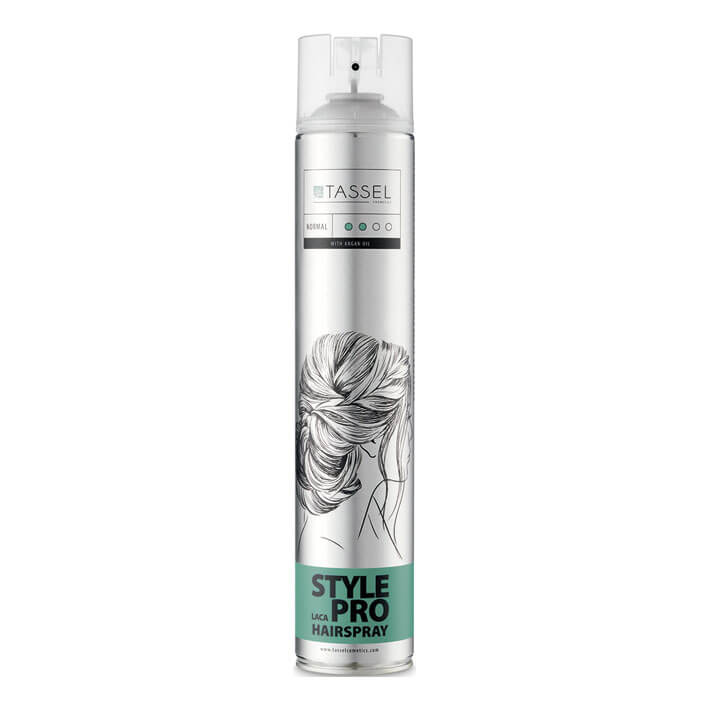
- Hairspray locks a blow-dry or a set. It is the end-of-service styling product par excellence, and the one clients ask for most often afterwards. See the professional hairspray 750 ml.
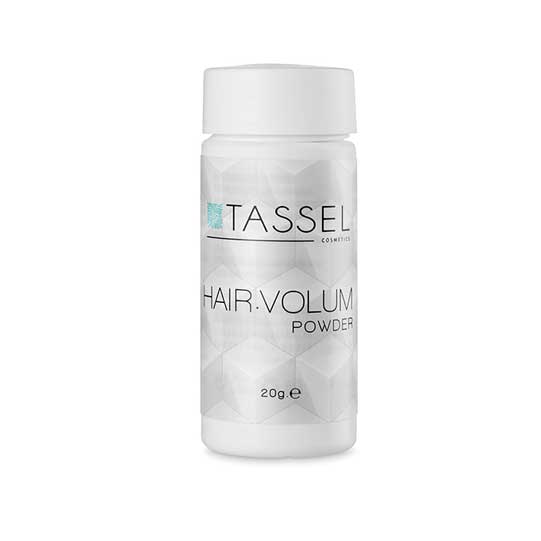
- Volumising powder works only at the roots of fine hair, without the weight of a wax. A pinch is enough: see the hair volume powder.
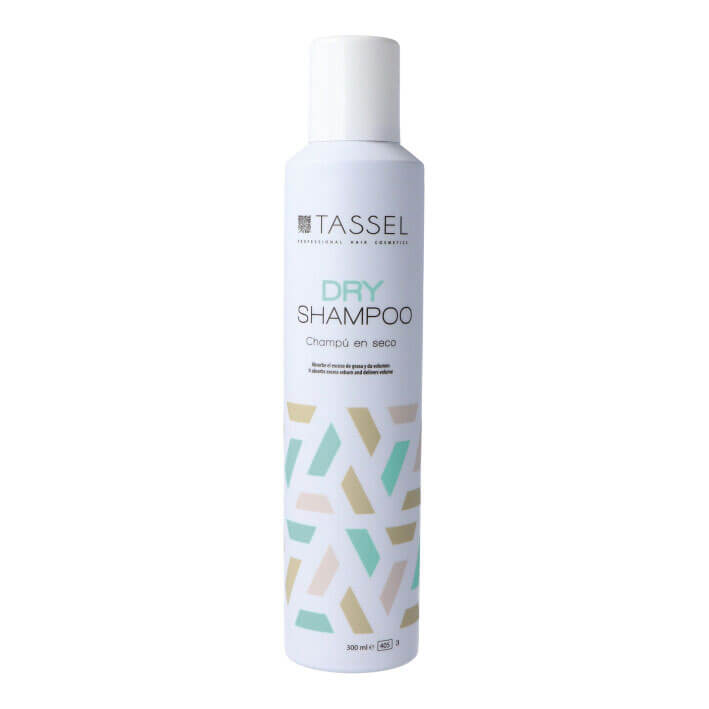
- Dry shampoo saves an appointment on greasy hair and acts as a texturising base before styling. See the dry shampoo 300 ml.
These three items cover most of the finishing work and complement our hair products and our hair treatments.
Turning styling into retail
The styling product you use at the end of a service is the easiest thing in the salon to sell: the client has just seen the result on their own head. Three habits are enough to turn it into steady income.
- Name the product out loud while applying it, explaining what it does: “I’m using a clay, that’s what gives you this matte look.” Clients remember a use, not a brand.
- Show the dose. Let them see the amount in your palm. That is what stops them using three times too much at home and concluding that the product does not work.
- Keep the range short. Three to five well-mastered items sell better than a shelf of fifteen products nobody can explain.
Retail makes up a meaningful share of salon turnover, a subject regularly covered by the trade association Coiffure Suisse. To stock your shelf at trade terms, see how a wholesale account in Switzerland works.
Styling for women: blow-dry, curls and straightening
Waxes and clays dominate the barber conversation, but half of salon styling happens on long hair, where the rules change. There, the styling product is less about locking a shape than about holding a movement without weighing the hair down.
For a blow-dry, everything is prepared before drying. A mousse or volumising spray on towel-dried hair gives body, the dryer creates the shape, and fixing comes only at the very end. Putting a heavy product on damp hair flattens the root and undoes the brush work.
On curly hair, the order is the opposite of what people assume: hydrate first with a leave-in or a defining cream, scrunch, then fix with a light gel. Dry with a diffuser, never touching the curl while it dries, or it breaks up and frizzes.
For straightening, the styling product mainly plays a heat-protection role. A serum or heat protectant applied before the iron avoids the straw effect a few weeks later. Our guide to the professional straightener lists the temperature limits by hair type.
In all three cases, hairspray remains the most versatile finish: it can be dosed, brushed out and reworked, which is not true of a wax.
Storing products and managing stock
A badly stored styling product loses effectiveness well before its expiry date. Three points are enough to avoid nasty surprises at the chair.
- Heat. Pomades and waxes soften near a backwash unit or a sunlit display, then resolidify into a grainy texture that no longer emulsifies properly.
- Lids. A clay left open dries out and hardens within weeks. Closing it straight after use saves several tubs a year.
- Rotation. Put new deliveries behind older ones and check the period-after-opening, shown by the small open-jar symbol on the label.
On quantities, it is better to order often and in small amounts. Styling stock tied up on a shelf takes space, ages, and stops you trying a new item when your clientele changes.
Building styling into the barbershop service
In a barbershop, styling is not an extra step: it is the moment the client discovers their cut. A flawless fade badly finished leaves a lukewarm impression, whereas a decent cut well styled brings people back. The styling product therefore deserves its place in the flow of the service, not a rushed application while you cash up.
The protocol that works has four steps. Directed drying straight out of the backwash, to set the direction. Application of the styling product, roots first, emulsified in the palms. Shaping with the fingers, client facing the mirror. Then a light fixative, hairspray or spray, never drowning the texture.
That routine takes two to three minutes and changes how the whole service is perceived. It is also the natural moment to explain what you are using, which prepares the sale without ever sounding like a pitch.
Finally, think about consistency with the rest of the service. A client leaving with an oil-worked beard and wax-loaded hair will feel heavy overall. Our guide to beard care in the barbershop explains how to balance the two, and our barbershop equipment section covers the rest of the finishing kit.
One often-neglected point: the cleanliness of the styling station. Tubs closed, a spatula or the back of a comb to scoop, hands washed between clients. A styling product everyone dips their fingers into gets contaminated quickly, and clients notice. The applicable rules are set out in our guide to hygiene and disinfection in the salon.
Frequently asked questions
What is the difference between a wax and a pomade?
Wax is thicker, more matte, and mainly serves to separate strands and work the finish. Pomade is more supple, shinier, and serves to shape a whole style.
Does a styling product damage the hair?
A styling product sits on the fibre without changing it chemically. The real risk is build-up: a non-soluble product that is poorly rinsed ends up suffocating the hair and scalp. A clarifying shampoo from time to time solves the problem.
Should the product go on before or after blow-drying?
After, in the vast majority of cases. The only exceptions are products designed as a base: mousses, volumising sprays and heat protectants, which go on damp hair before drying.
How many products do you really need at the chair?
Three are enough to start: a matte styling product with strong hold, a water-based pomade and a hairspray. Add to that according to your actual clientele, not the catalogue.
How do you choose a styling product for a client with very fine hair?
Always start with a powder or a spray at the roots, never a wax. Weight is the number one enemy of fine hair.
Can you mix two styling products in your hand?
Yes, and it is common practice: a touch of pomade in a clay softens the hold and makes the product easier to spread. Stay with two products at most and always go lightest to heaviest.
Which styling product holds best in damp weather?
Wax-based formulas and gels resist humidity better than water-based pomades, which reactivate on contact with sweat or rain.
Is a professional styling product really different from a supermarket one?
The difference is mostly in concentration and in consistency from batch to batch. A professional product needs a smaller dose for the same result, which often makes the cost per service lower despite a higher purchase price. It is also formulated to be worked by a trained hand, with a longer setting time that leaves room to shape.
How often should you refresh your styling range?
Look at what sells and what sits. An item that has not moved in six months is taking the place another styling product deserves, and it is better to replace it than to discount it indefinitely.
The short version
Good styling comes down to three decisions: the right product family for the hold and shine you want, the right dose, and a blow-dry that has already created the shape before the product arrives. Clay for matte and texture, water-based pomade for structured styles, hairspray or powder for the finish; the rest is comfort.
To go further, see our selection of professional shampoos, our barbershop equipment section and the feature on professional hair care 2026.